

Thank you for opening this article.
My name is Ikeda, and I am the manager of Chasanraku.
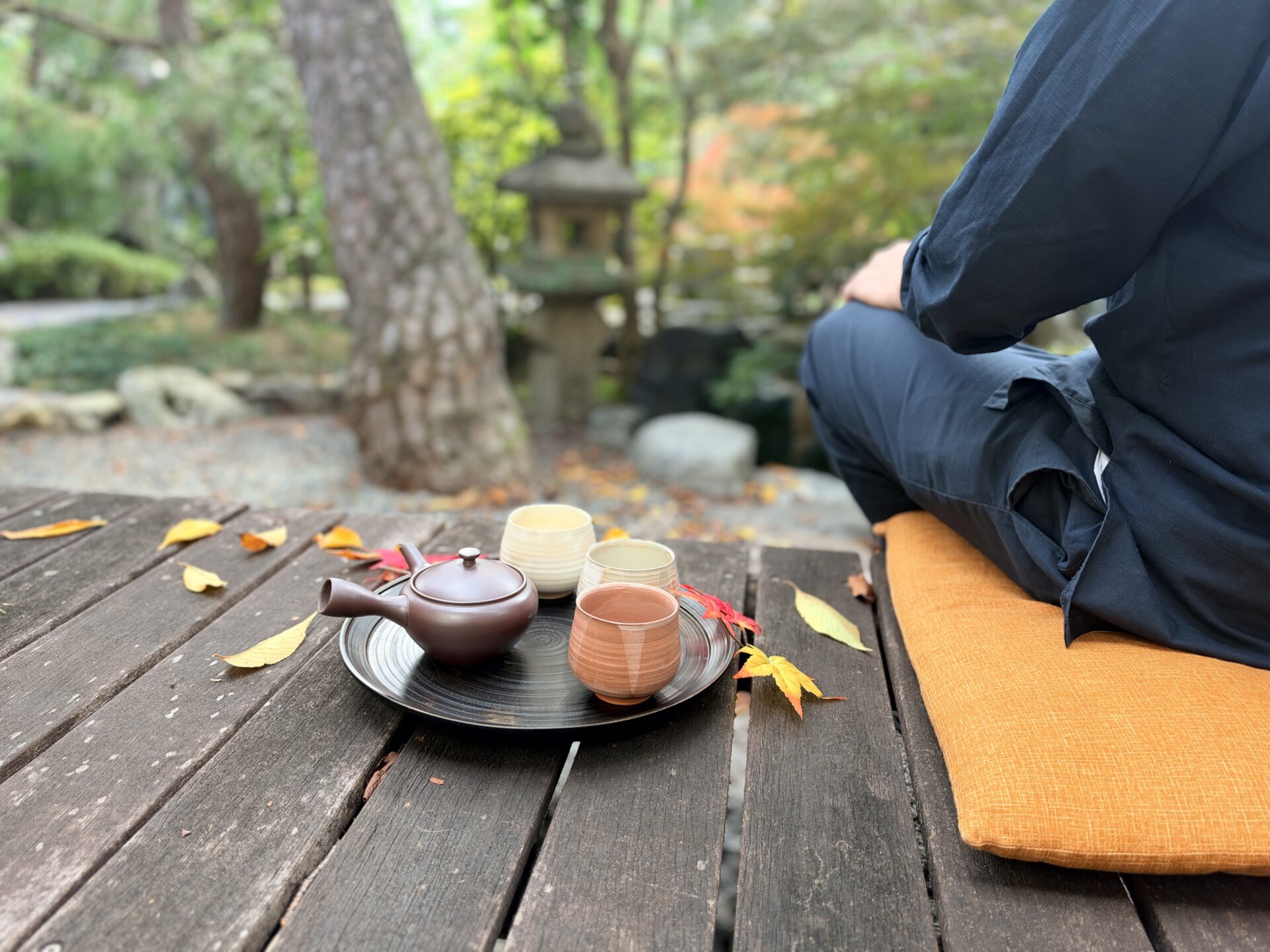
As autumn deepens, it's the perfect season to enjoy a warm cup of tea.
There's a tea that I always think of around this time of year.
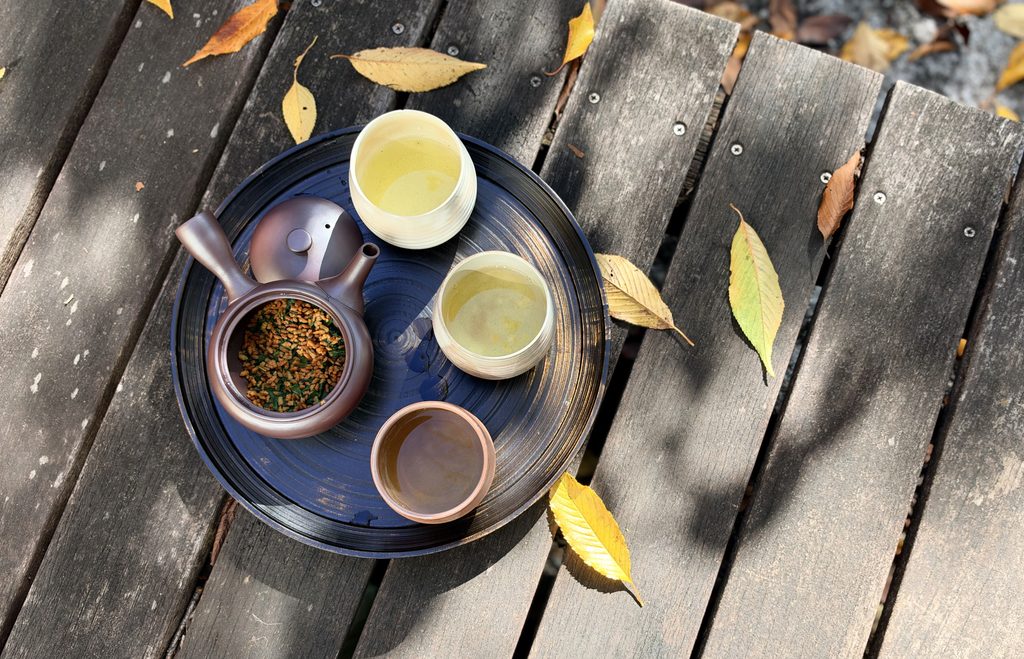
This is the brown rice tea I often drank at my grandfather's house when I was little.
The fragrant aroma of brown rice combined with homemade salted kelp made by my grandmother—that combination of brown rice tea was one of my favorite pastimes back then.
The appeal of genmaicha (brown rice tea) isn't just in the taste of the tea itself. The savory aroma and subtle sweetness from the roasted brown rice combine to create a unique flavor. The taste that emerges from the combination of the tea and brown rice's individual characteristics is one of the joys of enjoying genmaicha.
Adding salted kelp to it enhances the flavor of the tea even further, as it adds umami and just the right amount of saltiness.
At my grandfather's house, they sometimes drank brown rice tea with homemade pickled plums in addition to salted kelp.
I remember experimenting with different amounts of plum skin and pulp to find the right balance, because adding them as they were would make the dish too salty and sour.
Ultimately, the standard practice became removing the skin and pulp, and then adding the seeds with a little pulp remaining to the tea.
My grandmother's homemade pickled plums were incredibly sour, and I still remember the taste very well.
I now fondly remember enjoying brown rice tea with salted kelp and pickled plums.
And along with the taste of that tea, what remains in my heart to this day are the casual moments I spent at my grandfather's house.
After the meal,
"Want some tea?"
Someone called out.
And then, we all drink the same tea.
We didn't talk about anything special; we just spent time together, drinking tea.
For me as a child, it was just a normal, everyday scene.
Looking back now, I think the origin of my enjoyment of tea might have been found in those ordinary, everyday moments.
There are many ways to enjoy tea.
The taste and aroma of tea vary depending on the type of tea leaves and the brewing method. Even slight changes in water temperature or steeping time can enhance sweetness or bring out a more pronounced aroma. You can enjoy different flavors even with the same tea leaves, simply by changing the brewing method.
Also, the combination of tea and sweets is one of the pleasures.
Sweet treats pair well with a refreshing tea, while savory treats are best enjoyed with a tea that also has a savory flavor. There's a certain joy in discovering combinations that enhance each other's tastes.
The type of tea you choose and how you enjoy it may change depending on your mood at the time, who you're with, and the season.
When I think back to the brown rice tea I drank at my grandfather's house, I still remember not only the taste, but also the atmosphere of the place and the time we spent together.
Because of those experiences, now that I'm in a position to deliver tea to customers at Chasanraku, I want them to not only enjoy delicious tea, but also to have a fulfilling time through tea.
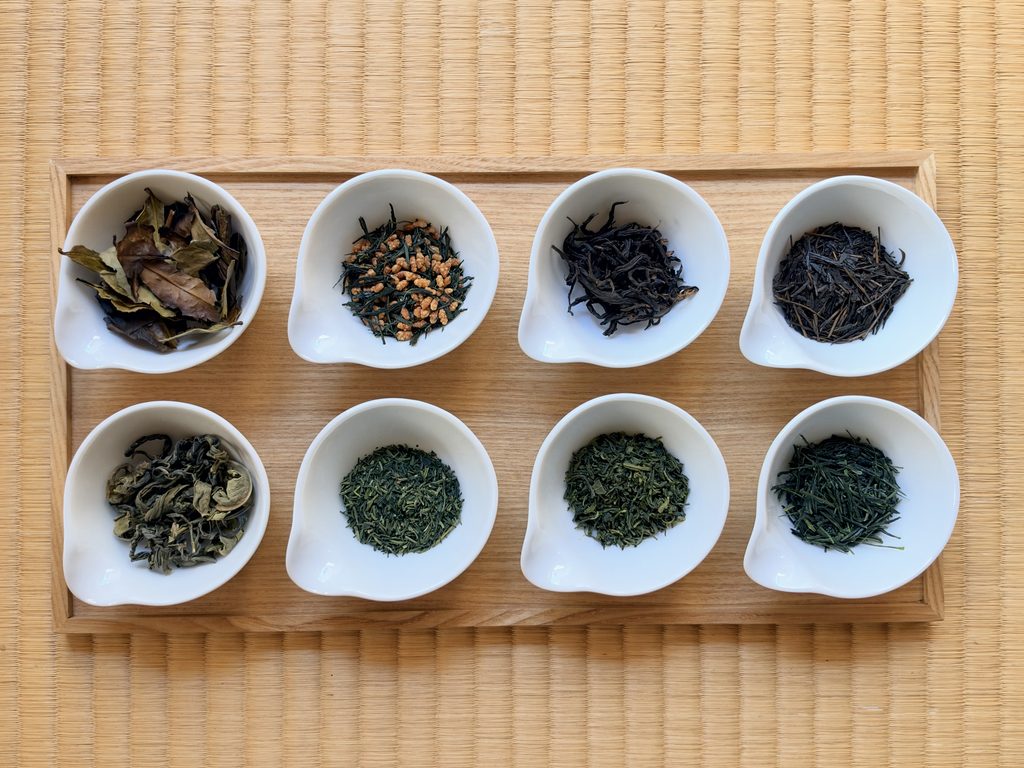
Everyone has their own way of enjoying tea.
Find your favorite tea, pair it with seasonal sweets, enjoy it with someone, or savor it slowly by yourself.
How do you all enjoy tea?
I hope that a cup of tea can bring a little joy or a moment of peace to your daily life.
At Chasanraku, we aim to be a place where we can convey the deliciousness and depth of tea, and where we can provide enriching experiences through tea.
Incidentally, Chasanraku is currently introducing genmaicha (roasted brown rice tea) as a new tea product. We hope to introduce the background of the farmers who produce it and their commitment to its taste in a separate article.
Now is the perfect season for enjoying a warm cup of tea.
Please enjoy tea in your own way and have fun with it in your life.
I hope that your time with tea will enrich your daily life in some small way.