

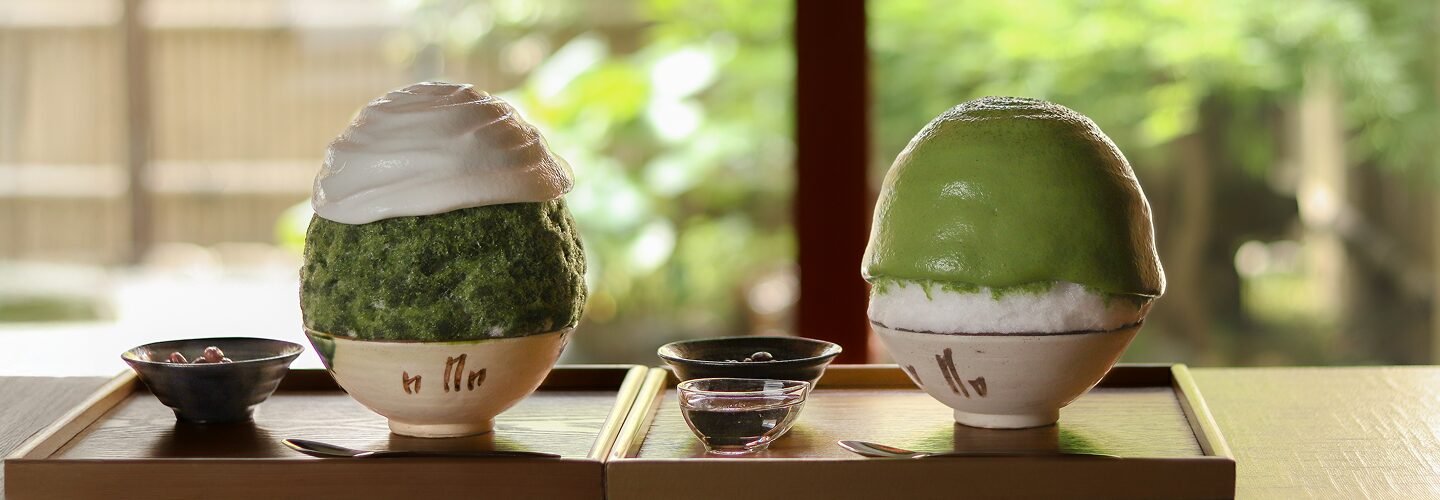
◆Why is shaved ice so expensive?
Hello. This is Suzuki from Chasanraku.
Today, instead of the busy shaved ice artisans, I, the one in charge of "eating" shaved ice, will introduce you to the charms of shaved ice.
"Shaved ice is basically just water, so why is it so expensive?"
I sometimes hear comments like that.
In fact, a single serving of shaved ice is packed with the dedication and passion of the artisans who make it and the tea farmers who produce the matcha. Today, I'd like to share a little bit of what goes on behind the scenes.
◆Shaving ice is a skilled craft.
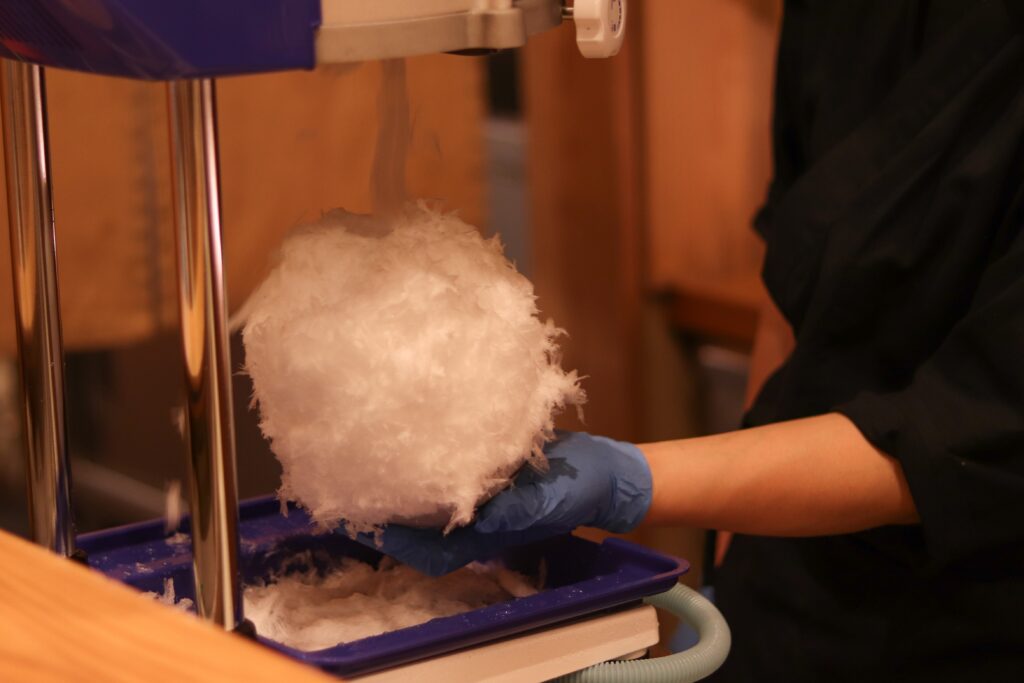
Currently, there are four staff members at Chasanraku who are capable of making shaved ice. Not just anyone can operate the shaved ice machine (hereinafter referred to as the ice shaver). (Although I love eating shaved ice, I can't make it myself...)
Once you're assigned to shaved ice, you'll receive training from the store manager. Of course, this depends on your individual skills and experience, but the average training period for full-time staff is about two weeks to a month. You'll practice everything from how to use the ice shaver, to managing the ice temperature, how to "stack" the ice into the bowls, and how to create the espuma.
When shaving ice with an ice shaver, the speed and amount of ice produced are not always the same, and the texture of the ice changes depending on the temperature and humidity. We concentrate on making each and every cup, carefully adjusting the blade direction and ice pressure to ensure that we can continue to provide high-quality products.
Of course, it's impossible to master all of this in a single day. It takes repeated practice and careful execution of daily operations to gradually develop the necessary skills. Currently, there are four staff members at Chasanraku who can shave ice. Not just anyone can operate the ice shaver (hereinafter referred to as the ice shaver). (Although I love eating shaved ice, I can't make it myself...)
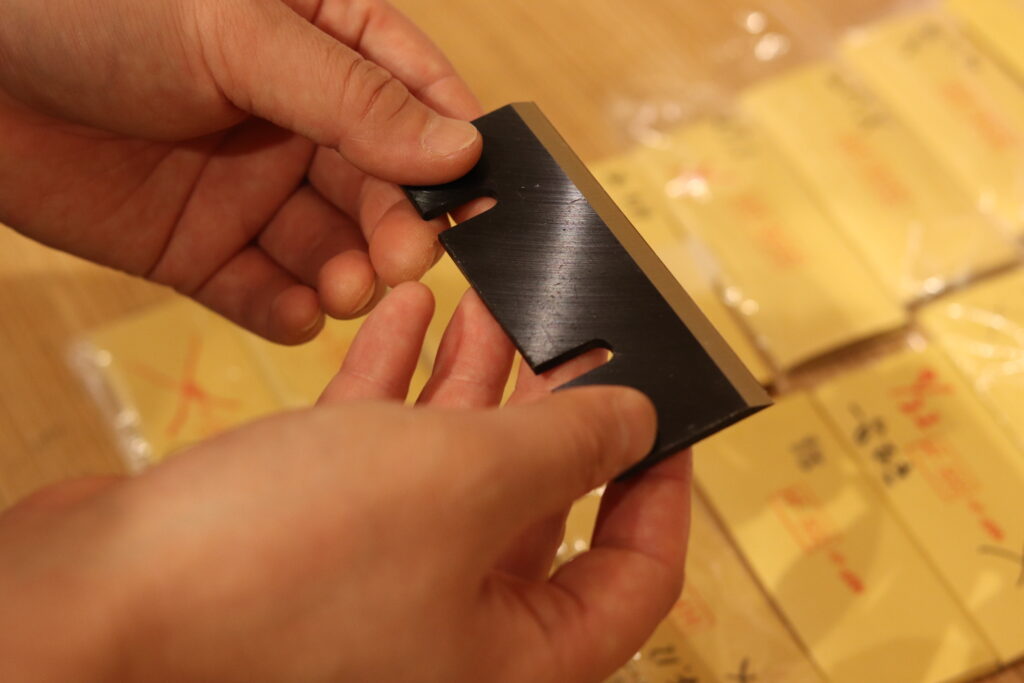
Maintenance of the ice shaver is also essential. The blade of the ice shaver is just like a kitchen knife; it wears down with use, so we replace the blade after shaving a certain amount of ice. During peak seasons like summer vacation, when we serve a lot of drinks, we change the blade every two days to ensure that we can always provide our customers with fluffy ice.
◆High-quality matcha made by artisans in Uji

(From Mr. Tsujiki's homepage)
Chasanraku's most popular product, "Matcha Espuma Shaved Ice," uses plenty of matcha from the Uji matcha brand "Tsujiki." Tsujiki is a farming family in Shirakawa, Uji, that has been making matcha for generations and has won numerous awards, including the Prime Minister's Award.
This high-quality matcha is cultivated through daily visits to the tea plantations, with the artisans communicating with the trees as they grow. To maximize the appeal of the tea crafted by these artisans, the sweetness of the sugar is kept to a minimum, resulting in a shaved ice dessert that tastes like you're drinking matcha straight.
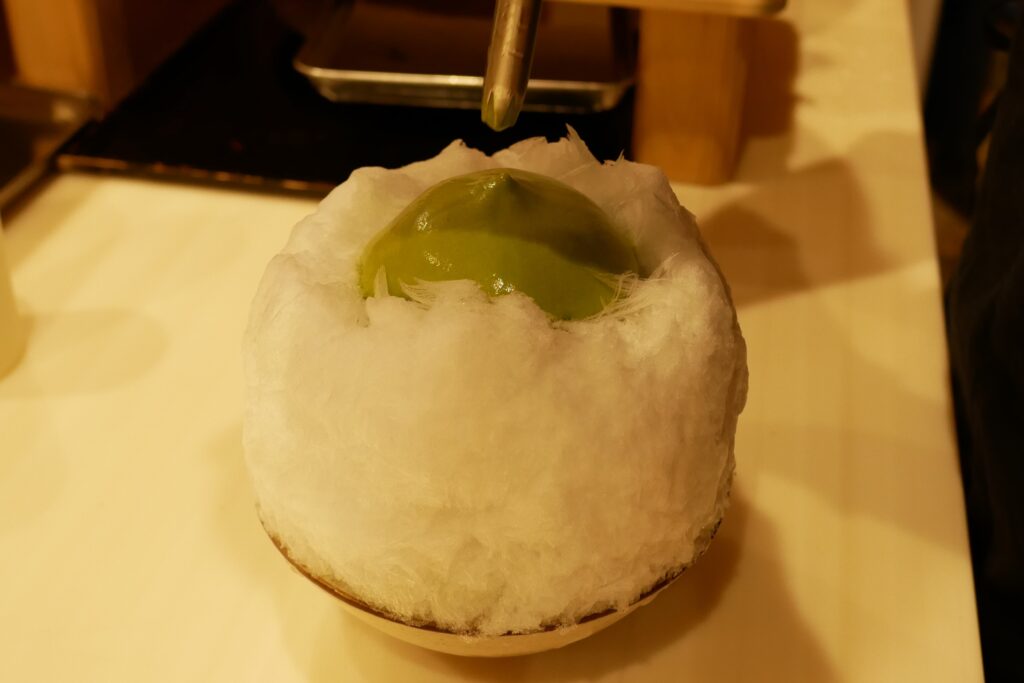
The amount of matcha powder used per serving of shaved ice is equivalent to about two servings of thin matcha tea (4g) ※🍵🍵
The espuma is generously incorporated not only on the outside but also inside, ensuring a balanced flavor that doesn't become diluted until the very last bite. While you often see creamy "espuma," Chasanraku's matcha espuma is truly "foam," representing the foam of matcha whisked with a bamboo whisk.
Incidentally, the gas used for making espuma can only be handled by businesses, and it cannot be made in private homes. Enjoy our matcha espuma shaved ice, a treat you can only experience at our shop.
💡What is light tea?
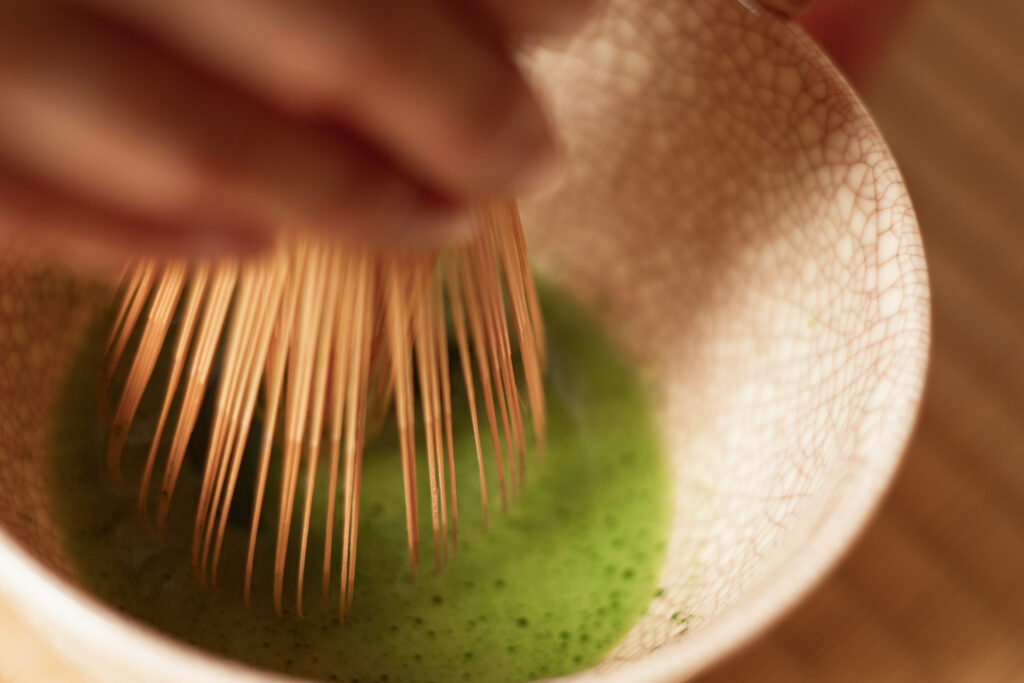
There are two types of matcha served at tea ceremonies: "usucha" (thin tea) and "koicha" (thick tea). Usucha is the typical image of matcha, as shown in the photo below. (It is often frothed, but some schools of tea ceremony do not froth it.) Koicha refers to matcha that is made using about twice the amount of powder as ususucha, with less hot water, and kneaded into a paste.
◆ "Matcha Espuma Shaved Ice" - Enjoy it like a cold cup of matcha tea.

Chasanraku is a specialty Japanese tea shop located in Arashiyama, Kyoto. With the hope of offering a refreshing break for those strolling around Arashiyama under the hot sun, we started offering shaved ice.
The fine, light foam of the matcha espuma and the delicately shaved ice melt instantly in your mouth, giving you the sensation of drinking cold matcha. This "Matcha Espuma Shaved Ice" embodies the dedication of Chasanraku's artisans and tea farmers. We hope you enjoy it as a refreshing treat during the summer.