
Thank you for opening this article.
My name is Ise from Chasanraku.
Lately, I've been feeling the colder day by day.
The trees in Arashiyama are starting to change color, and it's now the perfect time to enjoy the truly autumnal scenery of colorful foliage.
As I gaze upon the scenery, I can feel the changing of the seasons.
On such a chilly day, a warm cup of tea is essential.
Actually, at Chasanraku, we offer warm "Kyoto Bancha" tea as a self-service drink all year round.
This time, I'd like to introduce you to Kyoto bancha tea.
What is Kyobancha?
Have you ever heard of a type of tea called "Kyoto Bancha"?
It's sometimes called "iri bancha," and some people might be more familiar with that name.
Bancha is a type of Japanese tea made from hardened tea leaves, old leaves, and stems. However, the name "bancha" itself does not refer to a single, unified method or type of tea throughout Japan. The definition and production method of bancha vary depending on the harvesting season, quality, and region of the tea leaves.
Kyoto bancha tea is one of them.
Kyo-bancha is a type of tea unique to the Kyoto region, which has been produced there for a long time and is known as a tea that has been consumed on a daily basis.
The raw materials used include large, mature tea leaves and stems that are harvested during the spring and autumn pruning processes in sencha cultivation.
A key feature of the manufacturing process is that the tea leaves are steamed, dried without being rolled, and then roasted over high heat. This process results in a tea with a smoky, roasted aroma, similar to that of smoked meat.
Incidentally, while Kyo-bancha (roasted bancha) itself is a type of tea that can be sold in supermarkets, the Kyo-bancha served at Chasanraku is characterized by its mild aroma and flavor, so that it can be enjoyed with the sweets served in the shop.
My encounter with Kyobancha
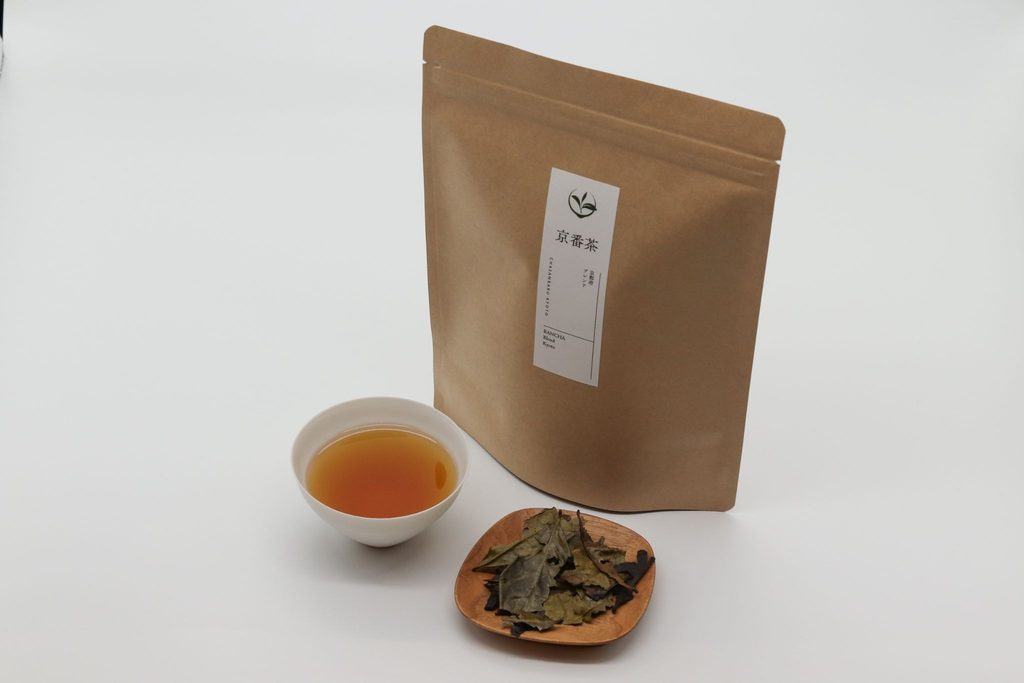
I first learned about Kyo-bancha after joining this Chasanraku group. Of course, it was also my first time drinking it, and what surprised me most was its distinctive aroma.
I've always liked fragrant teas like hojicha, but I found Kyobancha to be a very interesting tea. It has a lovely aroma, yet a refreshing aftertaste that makes it addictive after just one sip.
Later, I found and bought a large bottle of Kyoto bancha tea at my nearest supermarket. Of course, this was also delicious, but compared to Chasanraku's Kyoto bancha, it had a flavor that reminded me more of tobacco than smoke. I had expected there to be some difference in flavor, but I was surprised twice over how much it could vary depending on where it was sold, even though it was the same Kyoto bancha tea.
I've tried several kinds, but my favorite is still Chasanraku's Kyoto Bancha. Especially in the summer, I enjoy brewing it with boiling water, then rapidly cooling it with lots of ice, just like barley tea.
My recommended way to enjoy Kyoto bancha tea
Kyoto bancha is a tea that has been consumed on a daily basis. In other words, it is a tea that pairs well with almost any dish.
This time, I'd like to introduce two ways of enjoying this drink that I've found to be particularly delicious among all the drinks I've tried so far.
① First, the classic: warm Kyoto bancha tea
First, let's look at how to make the hot Kyoto bancha tea that is served self-service at Chasanraku. Enjoying freshly brewed hot Kyoto bancha tea is the best way to appreciate its distinctive smoky aroma.
~How to make~
1. Put 2 liters of water into a kettle and bring to a boil.
If you're boiling tap water, after it boils, open the lid and let it boil for about 3 minutes. This will remove the chlorine smell, making it milder and more delicious!
2. Turn off the heat after it boils.
Add about 20-30g of Kyoto bancha tea leaves and steep them thoroughly in hot water.
3. Leave for about 10 minutes.
After some time has passed, strain the tea through a tea strainer and transfer it to a thermos for storage.
It is recommended to store it for about half a day.
By the way, since I have a sensitive tongue, I usually add one or two ice cubes before pouring and drinking it.
② If you're looking to enjoy it with a meal, autumn flavors are recommended.
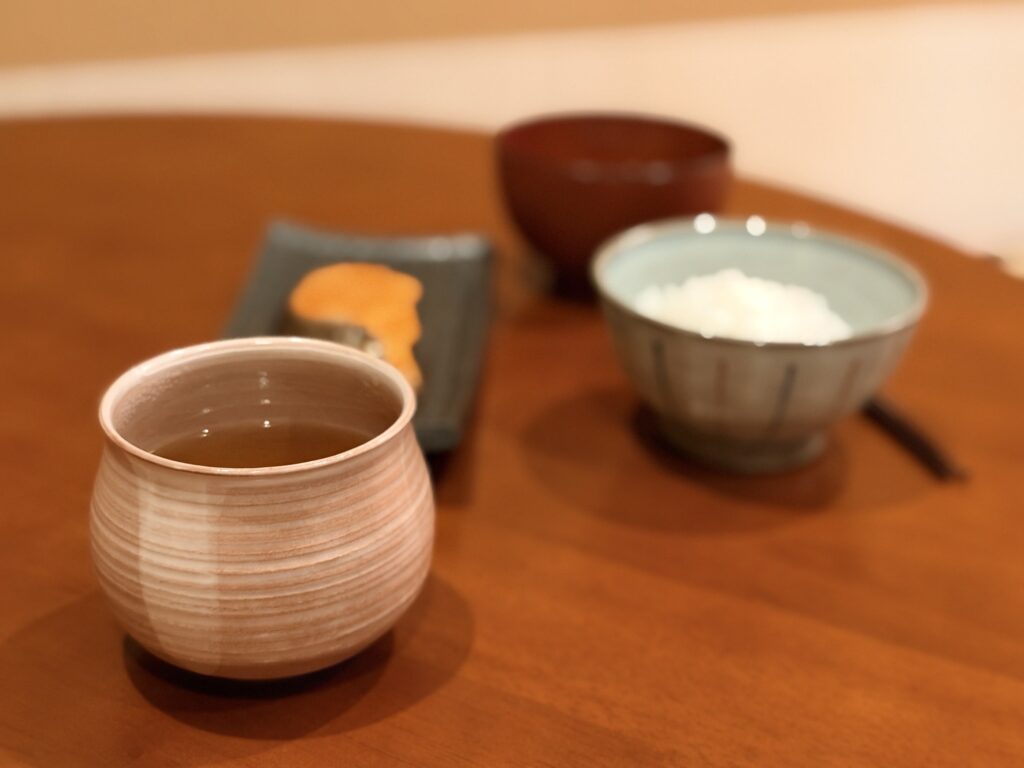
Kyoto bancha tea pairs exceptionally well with everyday meals.
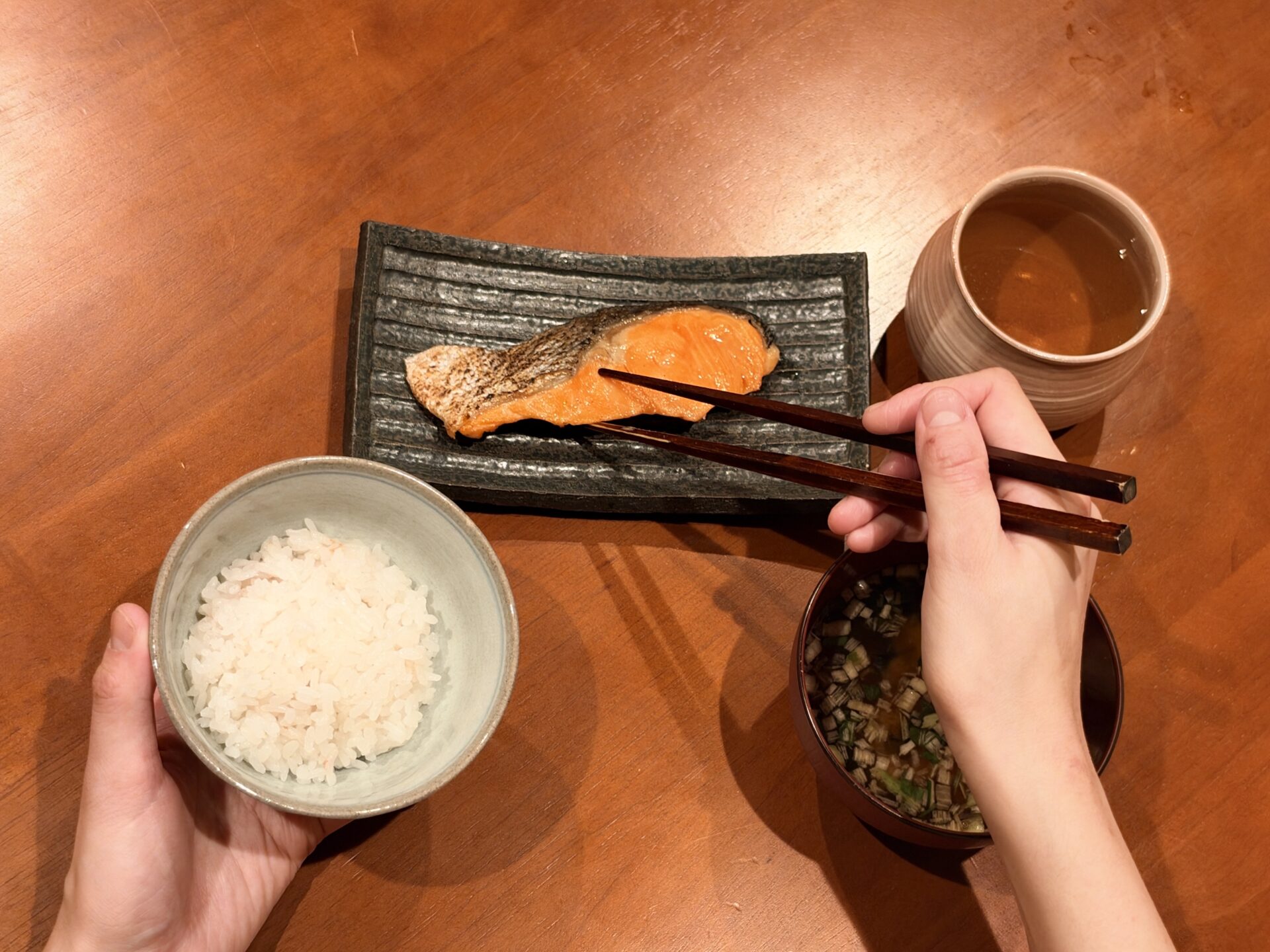
Especially at this time of year, I would recommend pairing it with grilled fish dishes such as saury or salmon.
The saltiness of the fish and the savory aroma of the grilled parts pair perfectly with Kyoto bancha tea, enhancing the deliciousness of the meal.
For a light and refreshing treat, roasted sweet potatoes and Kyoto bancha tea make a great combination.
After enjoying a freshly made, piping hot, sweet sweet potato, I washed it down with Kyoto bancha tea to cleanse my palate.
It's a simple yet satisfying way to enjoy yourself.
What did you think?
When you visit Chasanraku, please be sure to enjoy Kyoto bancha tea as well.
We also have Kyoto Bancha tea bags available for takeaway in our store. They're perfect for enjoying at home, and they make a great small gift.
Also, if this blog post has piqued your interest in Kyo-bancha tea, you can order it from our online shop. Please feel free to use this service even if you live far away.
I hope more people will come to love Kyoto bancha tea 🫖🍂